
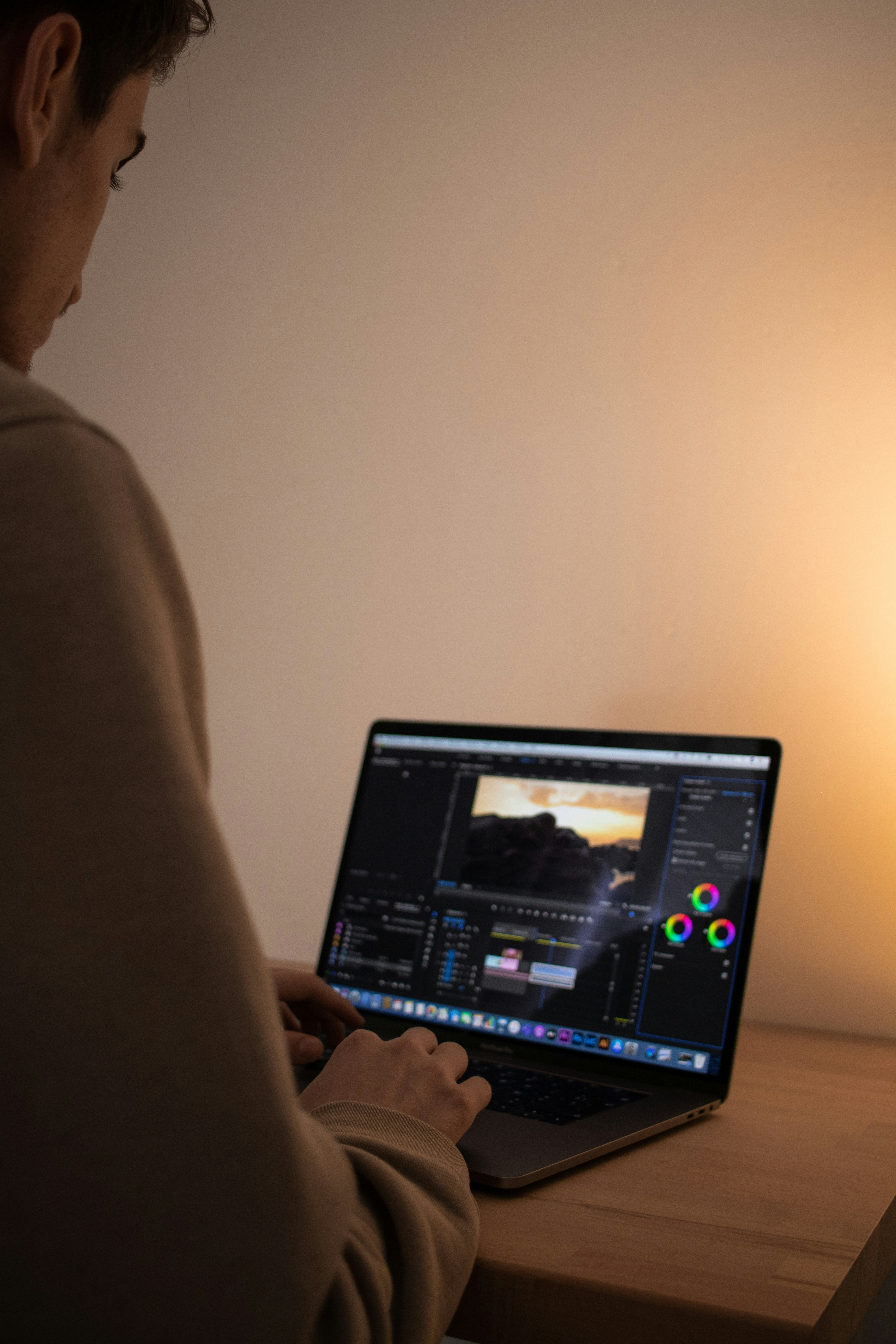
Introduction to Video Editing
Video editing is a crucial process that involves manipulating and rearranging video footage to create a finished product that conveys a specific message, story, or emotion. In an increasingly digital landscape, where visual content plays a significant role in marketing, storytelling, and even communication, understanding video editing is more vital than ever. Businesses and individuals alike leverage video content to engage with their audience, making it a powerful tool for both creators and marketers.
There are primarily two methods of video editing: professional editing and do-it-yourself (DIY) editing. Professional video editing typically involves the use of advanced software and the expertise of trained editors. This approach is often utilized by businesses and filmmakers to produce high-quality content that requires specialized skills, intricate techniques, and an astute understanding of narrative structure. On the other hand, DIY editing has gained popularity among amateurs and hobbyists who utilize accessible editing software and online resources to create their own videos. This method appeals to a broad audience, particularly those looking to reduce costs or to express their creativity without needing extensive technical knowledge.
The importance of video content, leveraging both professional and DIY editing styles, cannot be overstated. Effective video editing not only enhances the overall aesthetic appeal but also significantly improves the storytelling aspect of the footage. It involves cutting, adding transitions, effects, and music, which are all integral components of crafting an engaging video. As we compare the two approaches of video editing, we can better understand how each method can meet different needs and objectives.
Understanding Professional Video Editing
Professional video editing encompasses a range of services provided by skilled editors who utilize advanced tools and software to produce high-quality video content. These specialists have honed their craft through extensive training and experience, allowing them to elevate video projects to a level that is often unattainable through DIY methods. Professional video editors employ sophisticated software such as Adobe Premiere Pro, Final Cut Pro, and DaVinci Resolve, all of which offer powerful features that facilitate meticulous editing tasks, color correction, sound design, and visual effects.
One of the primary benefits of hiring professional video editing services is the assurance of quality. Experts in the field possess a keen eye for detail, enabling them to enhance footage through the careful manipulation of video elements. This expertise translates not only into visually appealing projects but also into a storytelling approach that resonates with audiences. By understanding the nuances of pacing, transitions, and narrative structures, professional editors can significantly improve the impact of visual storytelling.
Moreover, consistency is a crucial factor in professional video editing. Experienced editors develop a distinctive style while ensuring that all elements within a project complement each other seamlessly. This consistency can reinforce brand identity and message coherence, which are essential for businesses seeking to engage their audience effectively. Additionally, engaging professional services liberates individuals or organizations from the time-consuming aspects of editing, allowing them to focus on other essential areas of their projects.
In summary, with expert skills, advanced tools, and a commitment to quality and consistency, professional video editing services present numerous advantages over DIY editing. These attributes not only enhance the final product but also ensure a more efficient workflow, ultimately leading to more successful video outcomes.
Exploring DIY Video Editing
Do-it-yourself (DIY) video editing has gained significant popularity among amateurs and enthusiasts, enabling countless individuals to create their own videos with relative ease. The numerous platforms available today democratize the editing process, allowing users to craft professional-looking content without the need for extensive training or expensive software. Popular options such as iMovie, Windows Movie Maker, and open-source software like Shotcut provide user-friendly interfaces that cater to beginners seeking to learn the basics of video editing.
Accessibility is one of the most compelling aspects of DIY video editing. With a plethora of online resources available, including tutorials, forums, and community support, novices can quickly familiarize themselves with the tools and techniques required to produce compelling videos. Platforms such as YouTube host countless instructional videos, providing step-by-step guidance on everything from basic cuts to more complex effects, thereby flattening the learning curve for aspiring video editors.
Moreover, many editing applications offer abundant features, such as transitions, text overlays, and audio integration, which empower users to experiment with their creativity. The emphasis on customization allows beginners to craft unique video projects that express their personal vision. As their skills develop, they might explore more advanced tools, enhancing their projects and expanding their knowledge base.
Creating DIY videos can also be a rewarding experience that fosters self-expression and creativity. Whether for social media, educational purposes, or personal milestones, the ability to edit videos oneself equips individuals with a valuable skill in today’s digital landscape. Ultimately, DIY video editing is an approachable avenue for anyone wishing to join the realm of content creation, offering valuable opportunities for learning and artistic exploration.
Cost Comparison: Professional vs DIY Editing
When considering video editing, one of the most significant factors is the cost involved in the process. Professional video editing services can range dramatically based on the project’s complexity and the editor’s experience. Generally, hiring a professional video editor can incur costs that include not only the fee for their services but also any necessary softwares, licenses, and equipment required to deliver a polished piece. On average, professional editing services might charge anywhere from $50 to $150 per hour, depending on the market and the skill level of the editor involved.
Costs can escalate if you require advanced editing techniques, motion graphics, or high-level post-production. For instance, projects requiring animations or unique visual effects may triple the initial budget due to the skilled labor involved. On the other hand, budget-conscious individuals or businesses may opt for DIY editing solutions, capitalizing on the plethora of accessible editing software available today, such as Adobe Premiere Pro, Final Cut Pro, or lower-cost alternatives like DaVinci Resolve.
By choosing to edit videos themselves, individuals can potentially save a significant amount. While one might initially invest in software (which can range from free to several hundred dollars), the overall expense is typically less than hiring a professional. Yet, it is essential to consider other factors, such as the value of time and the learning curve associated with mastering editing tools. Novices may spend extensive hours learning software functionalities and achieving desirable results, which might offset any initial financial savings.
Ultimately, the decision hinges on evaluating the project’s requirements against one’s financial parameters. For those with limited budgets looking to produce high-quality content, DIY editing presents a feasible alternative, particularly for simpler projects. However, for complex, high-stakes productions, the investment in professional editing services often yields superior results and saves time. Balancing these cost factors will assist individuals or businesses in making an informed choice concerning their video editing needs.
Quality and Expertise in Video Editing
The quality of a video is significantly influenced by the skills and expertise of the person behind its editing. Professional video editors possess extensive training and experience that contribute to superior finished products. These professionals have a deep understanding of continuity, which ensures that the narrative flows seamlessly from one scene to the next, avoiding jarring transitions that can detract from the viewer’s experience.
Moreover, professional editors are equipped with advanced techniques for color grading. This process involves adjusting the colors and tones of the footage to achieve desired aesthetics and maintain a consistent visual style throughout the video. In contrast, DIY editing often lacks the nuanced touch that professionals bring, resulting in videos that may appear disjointed or visually unappealing.
Sound design is another crucial element in video editing that significantly impacts the overall production value. A professional editor knows how to create depth and ambience through sound effects, music integration, and dialogue balancing. They understand the importance of sound in reinforcing the storytelling aspect, whereas DIY efforts may overlook these subtleties, leaving audio to feel somewhat flat or unbalanced.
Overall, professionals bring a range of skills that elevate the production value of videos. Their experience in handling various types of content allows them to identify potential issues early in the editing process and to apply industry-standard practices that enhance the viewer’s engagement. While DIY editing can serve some purposes, the intricate details managed by seasoned editors typically yield a markedly superior quality product.
Time Management: Professional vs DIY
When considering video editing options, time management emerges as a critical factor. Professional video editing typically offers a streamlined process where deadlines are met consistently, allowing clients to receive their final product without unnecessary delays. Established editing firms come equipped with the expertise and resources needed to handle multiple projects simultaneously, thus expediting the overall timeline for project completion. The skilled professionals can swiftly identify and address any issues, ensuring a smooth workflow that minimizes downtime.
On the other hand, DIY editing demands a considerable investment of time, especially for those new to the craft. Editing software can be complex, and mastering its various functionalities can be a time-consuming endeavor. Individuals often find themselves learning through trial and error, which may lead to prolonged project timelines. This self-investment may also detract from other commitments, such as work or personal responsibilities, inevitably causing delays in project delivery.
Moreover, while the initial appeal of saving costs through DIY editing may be tempting, the potential for extended project timelines must be considered. The time taken to edit, revise, and finalize a video can easily surpass the expectations of the individual producer, leading to frustration and subpar results. Despite the potential creative freedom, the challenge of managing these elements can lead to a less satisfying outcome and missed deadlines.
In conclusion, when weighing the time management aspects of professional editing against DIY editing, professionals offer an efficient and timely service that can markedly relieve individuals from the burdens of the editing process. The collective knowledge and experience of professional editors can save valuable time, allowing clients to focus their efforts on other essential tasks.
Creative Control: Benefits and Limitations
Creative control is a significant factor when choosing between professional video editing and do-it-yourself (DIY) editing. DIY editing allows individuals to have complete autonomy over the creative process. This freedom often leads to a deeply personal expression of ideas and visions, enabling creators to implement their unique style, pacing, and storytelling techniques without the constraints that may accompany professional services. The tools available for DIY editing have become significantly more accessible and sophisticated over time, with software options catering to various skill levels. This accessibility encourages experimental approaches and can result in projects that resonate with audiences on a more personal level.
However, while the creative control in DIY editing offers numerous advantages, it can also present limitations. Many DIY editors may lack the experience and technical know-how that professionals possess. This gap can lead to issues such as poor video quality, suboptimal sound design, or ineffective pacing that diminishes the overall impact of the final product. Furthermore, DIY editing projects may suffer from insufficient feedback, as self-editing often eliminates the collaborative insights and mentorship that are valuable in a professional setting.
In contrast, professional video editing brings a different set of advantages and sacrifices. Collaborating with experts not only enhances the quality of the production but also allows for the integration of diverse perspectives that elevate the creative process. Professionals usually come equipped with advanced technical skills, cutting-edge technology, and a wealth of experience that is invaluable in achieving a polished final product. However, this collaboration may come with certain restrictions on creative expression, as professionals often adhere to industry standards and guidelines set by clients.
Ultimately, the choice between DIY editing and professional services hinges on individual priorities regarding creative control and project expectations. Each option presents distinct benefits and limitations that individuals must weigh in relation to their creative visions and the intended audience.
Case Studies: When to Choose Each Option
When considering the choice between professional video editing and DIY editing, real-life case studies provide valuable insights for informed decision-making. Each scenario presents unique requirements and expectations that can significantly influence the preferred editing approach.
For instance, in the context of corporate videos, companies often opt for professional video editing services to ensure high quality and consistency. In a case where a multinational corporation launched a new product, they engaged a professional video editor to create a polished promotional video. This approach not only matched the brand’s image but also integrated sophisticated visual effects, professional voiceovers, and a structured narrative. The resulting video garnered significant engagement on various platforms, showcasing the advantages of utilizing a professional service when the stakes are high.
Conversely, personal projects often lend themselves well to DIY editing. Take the example of a couple documenting their wedding day. They may choose to edit the footage themselves using user-friendly software, allowing for a personalized touch. This choice also fosters a deeper emotional connection as the couple curates their own story. By selecting favorite moments and integrating unique music, they create a sentimental keepsake that reflects their individuality, illustrating how DIY editing can excel in more personal settings.
Promotional content for small businesses represents another scenario. A local café might consider a DIY approach for creating social media videos to promote new menu items. With accessible editing tools available, they can craft engaging content at a fraction of the cost of professional services. Here, the focus is on authenticity and relatability, which often resonate well with local audiences.
In conclusion, the decision between professional video editing and DIY editing ultimately hinges on factors such as project objectives, audience expectations, and available resources. Each approach has its merits, shaped by the specific context in which it is applied.
Conclusion: Making Your Decision
When it comes to video editing, choosing between professional services and do-it-yourself (DIY) options can be a defining factor in the quality of the final product. Throughout this article, we have explored the distinct advantages and disadvantages of each approach, emphasizing the significance of considering specific needs, budget limitations, and overall goals.
Professional video editing offers numerous benefits, particularly in terms of quality and expertise. Skilled video editors bring a level of creativity and technical knowledge that can elevate the production value significantly. For businesses or individuals seeking to create high-impact videos—such as marketing content, wedding films, or promotional materials—enlisting professional help can yield superior results. However, this option typically comes with a higher cost, which may not be feasible for everyone.
On the other hand, DIY editing has grown increasingly accessible due to advancements in editing software and online tutorials. For those on a budget or who enjoy taking creative control over their projects, DIY editing can be a rewarding endeavor. However, it requires a commitment to learning and a readiness to face challenges, especially for those unfamiliar with the technical aspects of video production.
Ultimately, the decision boils down to individual circumstances. Understanding your project’s objectives is crucial. If a polished and professional outcome is essential, investing in professional video editing may be the best choice. Conversely, if cost is a primary concern and you have the time to invest in learning, DIY editing could be the way forward. Assessing your unique situation and weighing these considerations will guide you in making an informed decision that aligns with your vision and resources.