
Understanding Social Media Marketing
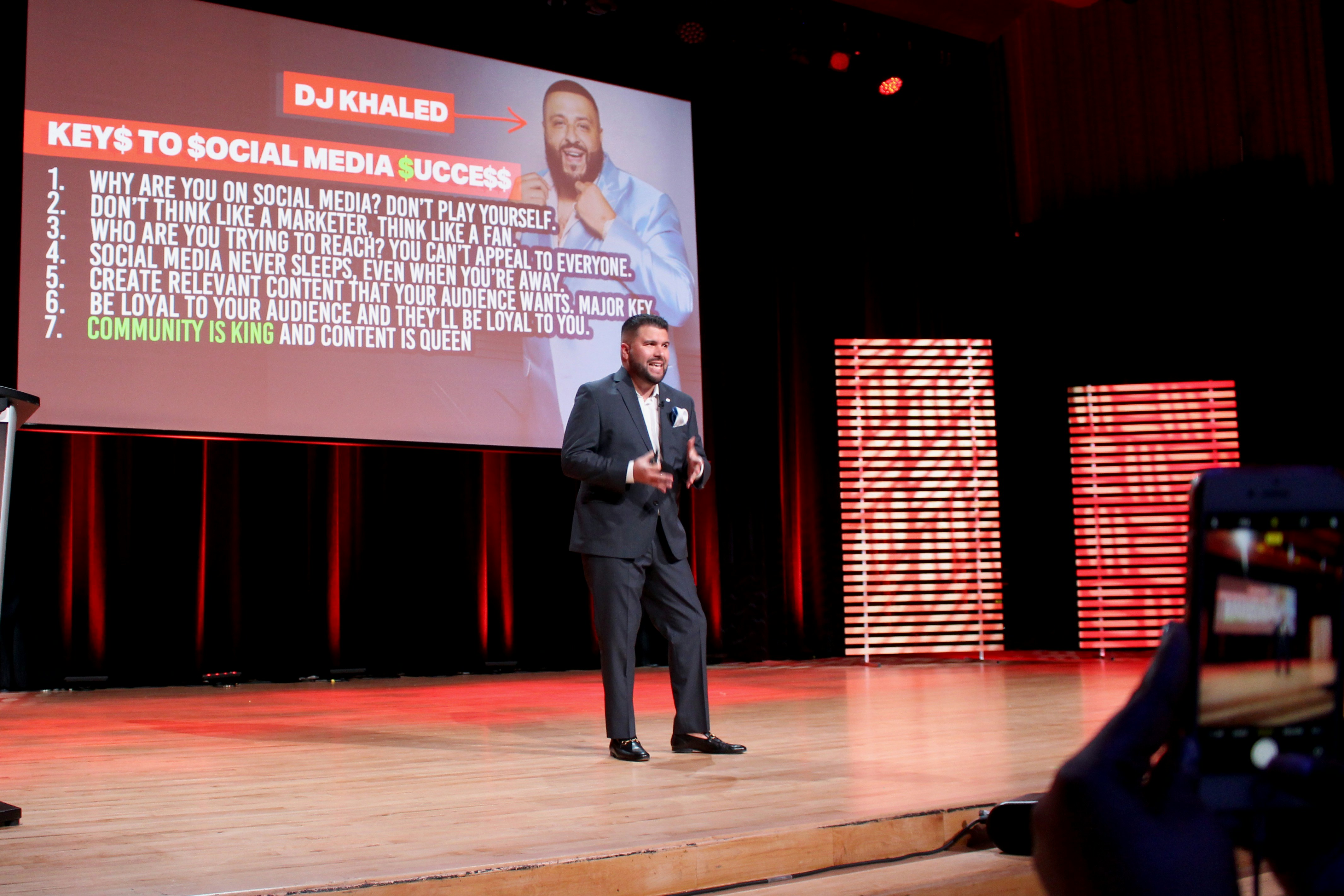
Social media marketing refers to the strategic use of social media platforms to promote products, services, and brands. It encompasses various activities such as publishing content, engaging with audiences, and running advertisements across platforms like Facebook, Twitter, Instagram, and LinkedIn. This form of marketing is not merely a trend but a crucial element of digital marketing, which has rapidly evolved over the last decade due to the rise of online connectivity and the growing usage of social media.
The significance of social media marketing for businesses, particularly startups, cannot be understated. With millions of active users across various platforms, startups have the unique opportunity to reach a vast audience without the need for a substantial marketing budget. This democratization of access allows smaller companies to compete with larger firms by leveraging social media to build brand awareness, connect with potential customers, and generate leads. The ability to use targeted advertising also helps startups enhance their return on investment by reaching specific demographics that are likely to be interested in their offerings.
As the landscape of social media continues to evolve, so does the approach businesses take towards marketing. Traditionally, social media was viewed primarily as a channel for communication and relationship-building. However, it has now transformed into a powerful sales tool, enabling startups to facilitate direct conversations with customers, gather feedback, and quickly adapt their business strategies based on data-driven insights. This shift highlights the importance of understanding how to effectively utilize social media not just for marketing but as a comprehensive platform for engaging with customers throughout their journey.
Building Brand Awareness
In the competitive landscape of startups, effective brand awareness is crucial for establishing a foothold in the market. Social media marketing plays a pivotal role in helping startups achieve this goal by creating visibility and recognition. Through various platforms such as Facebook, Twitter, Instagram, and LinkedIn, startups can reach a vast audience at a fraction of the cost of traditional marketing methods.
One of the primary advantages of social media marketing is the ability to engage with potential customers directly. By creating informative and relevant content that resonates with the target audience, startups can foster meaningful interactions that can translate into brand loyalty. This engagement not only helps in enhancing brand identity but also allows startups to receive valuable feedback, guiding them to refine their offerings.
Moreover, social media provides a unique opportunity for startups to showcase their brand personality. By sharing behind-the-scenes content, success stories, and user-generated experiences, startups can craft a narrative that appeals to their audience. This authentic representation builds trust and credibility, essential components for any new brand aiming to make a lasting impression.
Furthermore, the shareable nature of social media content amplifies brand visibility. As users interact with a startup’s posts, there is potential for organic reach as their connections may see and engage with that content, extending brand awareness beyond the initial followers. The virality of social media can significantly increase reach and recognition, allowing startups to stand out in saturated markets.
In conclusion, leveraging social media marketing is imperative for startups to build brand awareness. By strategically engaging with audiences, showcasing their brand identity, and fostering trust, startups can effectively drive awareness among potential customers, making social media an indispensable tool in their marketing arsenal.
Engaging with Target Audience
In today’s digital age, social media platforms serve as vital communication channels for businesses, providing startups with an opportunity to engage directly with their target audience. Engaging with consumers is essential for building brand loyalty, understanding customer needs, and fostering a sense of community. For startups, effective engagement can lead to increased visibility and a stronger market position.
One of the primary benefits of social media engagement is the ability to gather immediate feedback from consumers. Startups can utilize various tools such as polls, surveys, and live Q&A sessions to gain insights into customer preferences and concerns. This real-time interaction not only informs product development but also enhances customer satisfaction. When customers feel that their opinions are valued, they’re more likely to develop a loyal relationship with the brand.
Moreover, social media allows startups to create meaningful content that resonates with their audience. By sharing behind-the-scenes glimpses, hosting discussions, and spotlighting user-generated content, businesses can foster a more personal connection with their followers. For instance, incorporating storytelling techniques can humanize the brand, making it more relatable and engaging for the audience. Creating engaging content encourages users to interact through comments and shares, further expanding the reach of the startup’s message.
Establishing a community around a brand on social media also promotes customer retention. Startups can cultivate such a community by responding promptly to comments and messages, participating in conversations, and highlighting customer contributions. By actively engaging with their audience, startups can position themselves as approachable and responsive, which is key to developing a loyal customer base.
In summary, effective engagement on social media platforms is crucial for startups seeking to connect with their target audience. By prioritizing feedback, creating engaging content, and fostering community interaction, startups can leverage social media to drive brand loyalty and long-term success.
Cost-Effectiveness for Startups
In an era where financial prudence is of paramount importance, startups are often challenged to maximize their impact while minimizing costs. Social media marketing emerges as a feasible solution, offering numerous cost advantages over traditional marketing methods. Unlike conventional avenues such as print ads or television commercials, which can demand substantial financial commitments, social media platforms provide a cost-effective approach that resonates well with limited budgets.
One of the primary advantages of social media marketing lies in its low entry barriers. Establishing a presence on platforms such as Facebook, Twitter, or Instagram is often free, allowing startups to engage with potential customers without incurring significant costs. Additionally, the advertisement options available on these platforms can be tailored to fit a range of budgets. Startups can allocate funds according to their specific needs, ensuring that they remain within financial limits while still achieving substantial reach.
Moreover, social media marketing allows for targeted campaigns that can yield high returns on investment. Startups have the ability to reach specific demographics, ensuring that marketing messages are delivered to the audiences most likely to convert into customers. This precision minimizes wasted ad spend, a common pitfall of traditional marketing channels. The performance of social media initiatives can also be measured in real time, enabling startups to adjust their strategies promptly and optimize their campaigns for better results.
In contrast, traditional marketing methods often involve lengthy processes and delayed feedback. This can result in substantial expenditures before realizing any returns. With social media marketing, startups can immediately observe engagement metrics and adapt their tactics accordingly, fostering a more dynamic marketing environment. By leveraging social media, startups can effectively compete with larger organizations, leveling the playing field and enhancing their potential for growth without overextending their financial resources.
Driving Website Traffic and Conversions
In the fast-paced world of startups, having a robust online presence is essential for success, and social media marketing plays a pivotal role in achieving this. One of the primary benefits of effective social media strategies is their ability to drive traffic to a startup’s website. Each post shared across platforms can lead potential customers to content that provides value, showcases the product, or highlights services offered. By crafting engaging and informative posts, startups can encourage users to visit their website, thereby increasing their traffic significantly.
Conversion rates, the percentage of website visitors who take a desired action, are also positively impacted by effective social media marketing. When traffic is directed from social media to a startup’s website, it is essential that the landing pages are optimized and aligned with the audience’s expectations. Social media allows startups to create targeted advertisements that can be refined to reach specific demographics, maximizing both relevance and impact. These ads can lead to higher conversion rates by presenting special offers, highlighting customer testimonials, or showcasing unique selling propositions that appeal directly to potential clients.
Furthermore, integrating social elements on the website, such as social sharing buttons or user-generated content directly from social media platforms, can enhance engagement. This encourages visitors to interact with the brand, share their experiences, and potentially make a purchase or sign up for services. As word-of-mouth spreads through social channels, startups not only gain more traffic but also build trust and credibility. Ultimately, effective social media strategies do not just drive website traffic; they foster an environment that nurtures conversions and facilitates sustainable business growth.
Leveraging Analytics for Growth
In today’s digital landscape, analytics play a vital role in shaping successful social media marketing strategies for startups. By harnessing powerful data-driven insights, businesses can track their performance metrics more effectively, ensuring that every marketing dollar contributes to growth. Social media platforms offer a wealth of analytical tools designed to measure various key performance indicators (KPIs), such as engagement rates, audience demographics, and conversion rates. This information is essential in determining the effectiveness of marketing campaigns.
Startups should begin by identifying their specific goals. Whether the objective is to increase brand awareness, drive website traffic, or boost sales, understanding these goals allows for targeted analytics. Platforms like Facebook, Instagram, and Twitter provide insights that can help startups assess post interactions, reach, and audience behavior. By closely examining these statistics, startups can determine which content resonates most with their audience and tailor future posts accordingly.
Moreover, leveraging social media analytics facilitates the refinement of marketing strategies over time. For instance, if a startup finds that video content generates higher engagement compared to static images, they can focus on producing more video material. Additionally, tracking the performance of various ads enables startups to allocate their budgets more efficiently, ensuring they invest in campaigns that yield the best results.
The power of analytics extends beyond immediate performance metrics; trends can also be identified over time. By analyzing data patterns, startups can anticipate shifts in consumer behavior and adapt their strategies proactively. Overall, the integration of analytics into social media marketing is crucial for any startup aiming for sustained growth and improved customer engagement.
Staying Ahead of Competitors
In the contemporary business environment, social media has transitioned from a mere communication tool to a strategic asset, especially for startups seeking to carve out a niche in competitive markets. By harnessing the power of social media marketing, startups can gain invaluable insights that contribute to maintaining a competitive edge.
One of the defining features of social media is its real-time nature, which enables entrepreneurs to monitor their competitors’ activities closely. Platforms such as Twitter and LinkedIn are often used by businesses to announce new products, services, or marketing tactics. By staying updated on these developments, startups can adjust their own strategies in response to changes within the industry. For instance, if a competitor launches a successful advertising campaign, a startup can analyze the approach and adapt lessons learned to enhance its own initiatives.
Moreover, social media provides an opportunity to identify trends that can significantly influence market dynamics. By analyzing engagement metrics, such as likes, shares, and comments, startups can discern what their audience finds appealing or problematic. This understanding allows businesses to pivot their offerings to match consumer expectations. Engaging with followers through polls or inquiries can also yield direct feedback, providing startups the agility to innovate in a rapidly changing market.
Additionally, social media facilitates the building of community and brand loyalty, which can be pivotal in securing a competitive advantage. By fostering relationships with customers, startups can create a sense of belonging that may encourage repeat business and referrals.
In essence, utilizing social media marketing not only aids startups in staying informed about competitors but also enables them to identify emerging trends and swiftly adjust their offerings. Thus, leveraging these insights can lead to sustainable growth and success in a competitive landscape.
Building Customer Relationships
In the modern business landscape, social media platforms serve as essential tools for startups to foster direct communication with their customers. This new means of interaction empowers startups to build loyal relationships, ultimately enhancing customer satisfaction and brand loyalty. Through platforms like Facebook, Twitter, and Instagram, startups can engage with their audience on a personal level, addressing concerns, answering inquiries, and justifying the importance of customer feedback.
One of the key advantages of utilizing social media in customer relations is the ability to create real-time dialogues. Unlike traditional marketing channels, social media allows for immediate responses to customer queries. This two-way communication not only provides customers with quick resolutions but also gives startups the invaluable opportunity to demonstrate their commitment to customer service. For instance, startups can use Twitter to respond to user complaints or suggestions within minutes, showcasing their dedication to enhancing customer experiences.
Furthermore, social media enables startups to actively solicit feedback and adapt their products or services based on customer preferences. Polls, surveys, and interactive posts invite customers to share their opinions, leading to a more personalized experience. This participatory approach helps startups not only to refine their offerings but also to make customers feel heard and valued, thereby strengthening their relationships with the brand.
Moreover, building a community around the brand fosters a sense of belonging among customers. Through meaningful interactions and shared experiences on social media, startups can cultivate a group of loyal followers who are more likely to become advocates for the brand. This word-of-mouth marketing is invaluable and helps in establishing long-term relationships with customers.
Successful Case Studies of Startups
In the ever-evolving landscape of digital marketing, numerous startups have harnessed the power of social media to not only establish their brand presence but also achieve remarkable growth. One prime example is Fenty Beauty, a cosmetics brand founded by Rihanna. Fenty Beauty utilized Instagram and Twitter effectively by promoting diversity in beauty standards. Through engaging content, influencer partnerships, and user-generated posts showcasing a wide range of skin tones, Fenty Beauty successfully captured the interest of a global audience. This strategy not only enhanced brand loyalty but also propelled the brand to over $100 million in sales within the first 40 days of launch.
Another notable case is Airbnb, which revolutionized the travel industry by creating a community-focused platform. The startup leveraged social media to build a narrative around unique travel experiences. By showcasing authentic stories from hosts and travelers on platforms like Facebook and Instagram, Airbnb tapped into the emotional side of travel. Their approach fostered authenticity and trust, encouraging new users to engage with the platform, leading to unprecedented user growth and revenue.
The craft beer company Brewers Association demonstrates the effectiveness of social media marketing on a local scale. By engaging with local communities on platforms like Facebook and Instagram, this startup took advantage of visual storytelling. They shared behind-the-scenes content about brewing processes and featured local events. This not only attracted local customers but also cultivated a supportive community around independent craft brews, significantly boosting their sales and brand awareness.
These examples illustrate crucial lessons for startups: the importance of authentic storytelling, the necessity of engaging with target audiences, and the power of community in driving brand loyalty. As demonstrated by these successful case studies, incorporating an effective social media strategy can lead to significant growth and visibility for startups in a competitive market.